Where did you get the idea from to write What we have in common?
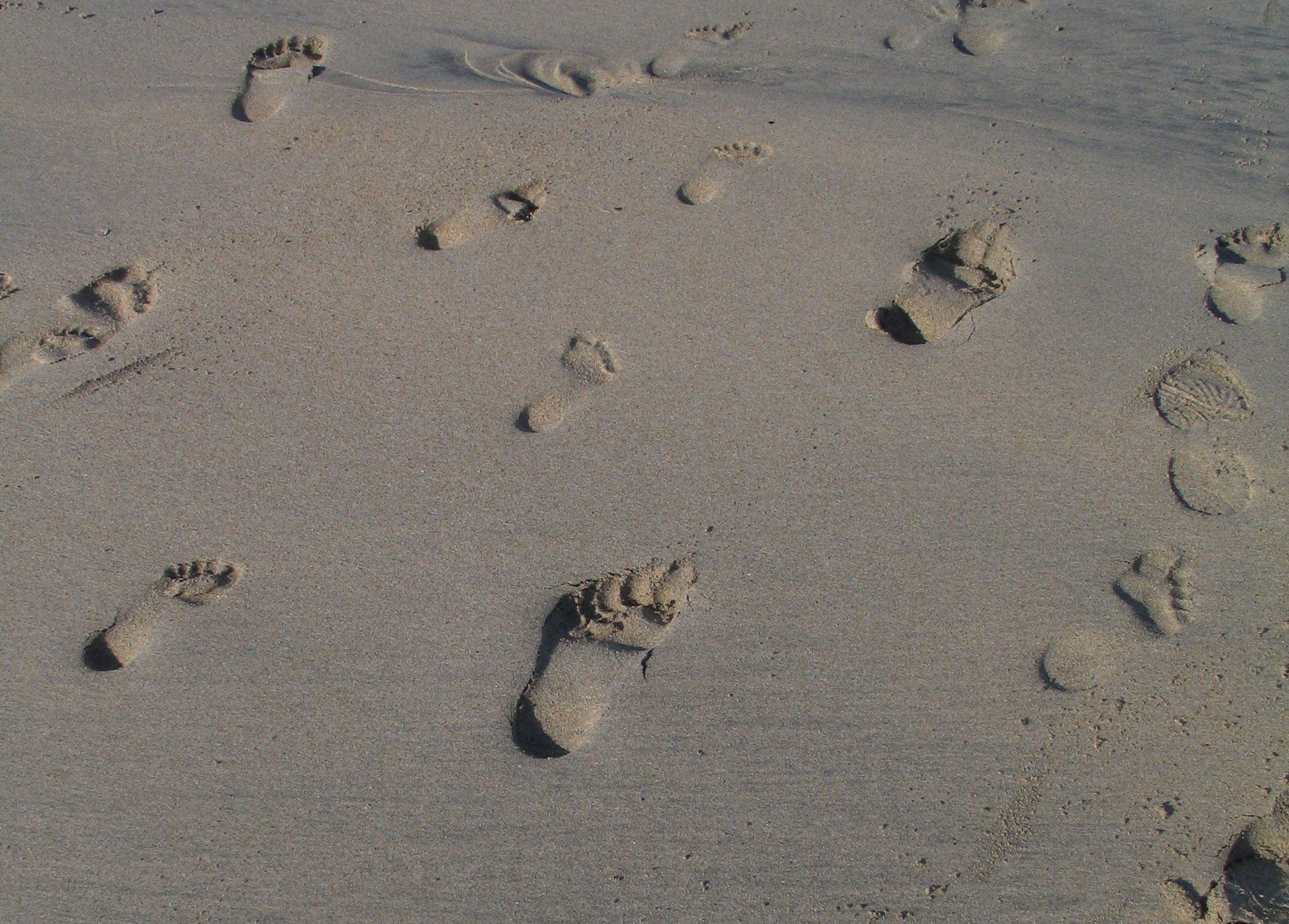
I was in my thirties, a parent myself, when my mother told me that when I left home at 18 to go to university, she had thought about my going out into the wide world and potentially meeting someone to whom I might be related. I had never thought that about myself, and I was immediately intrigued. What would it be like to be in that position, to be wondering that all the time?
Did the book come to you fully-formed? And if not, how did you develop the idea?
Not fully formed, no. Though there were so many linked ideas that tumbled in quickly. One was the parallel experience of people who are adopted, who may not know their biological families at all. Another was the potential for there to be family secrets, and therefore tensions. Why is this a secret? What is the secret? I am always interested in family relationships, and where there is tension and conflict there is the potential for rich story telling. Conflict between teenagers and parents nudged its way in here, and then a child who is sure that science can solve mysteries announced her presence. I think by this stage I was aware that there were two sisters’ voices, or were they half-sisters? And the characters had really begun to form.
I am always interested in family relationships, and where there is tension and conflict there is the potential for rich story telling.
How long did it take?
I’d carried some of these ideas around for many years, and occasionally I would start to imagine a story around them. Before I wrote the first draft, I had thought a lot about the voices of the two sisters, and who they were, and I knew some of the main story arc. So the first draft took about five months. It’s now four years since I started to write that first draft, and in that time I’ve let it sit on one side for months, more than once. I’ve returned to it and changed parts, so the way I’ve told the story has evolved. That’s all editing. And there’s been the close editing. Fine tuning at word level. Oh my, the editing. Telling it better and making it sound better.
Why is the story set where it is?
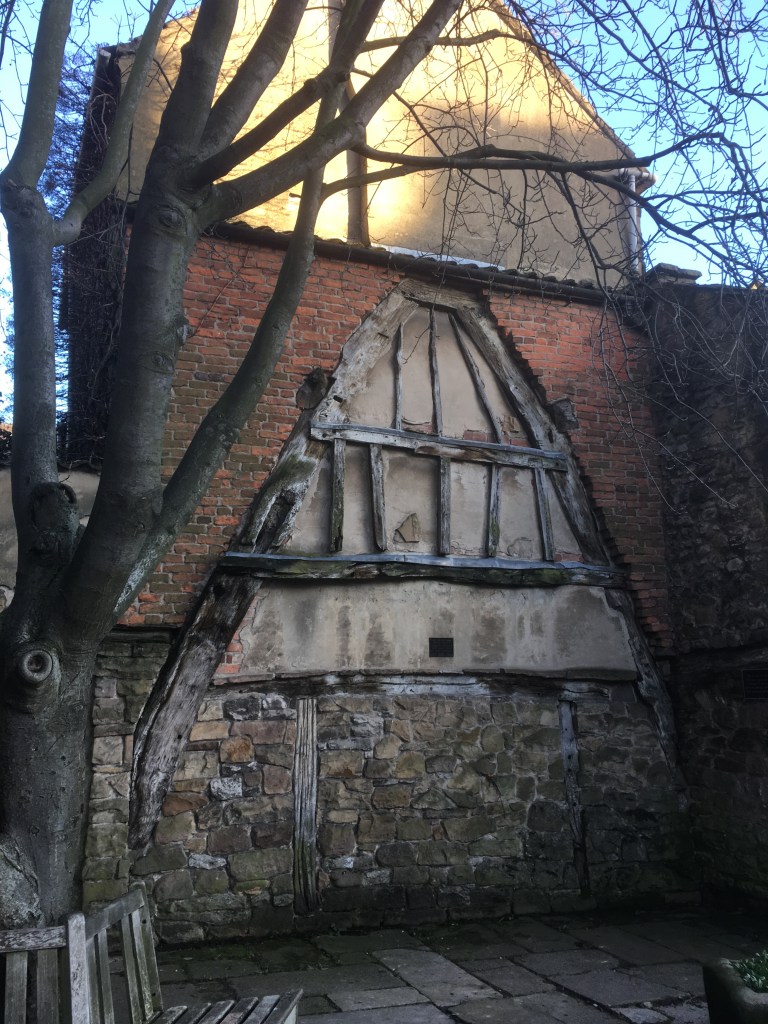
I don’t know how I thought of Wirksworth, a town I know well. It offered so much: its location in relation to the historic local landscape, and to the city of Derby; its size, beauty and traditions made it fit exactly, and it being a place now lived in by many artisans and artists, as well as families where many generations have lived, provided me with relevant context for this story. If the setting had been entirely fictional it couldn’t have been as perfect as this real one, which became a character in the story for me.
What was the part you most enjoyed writing?
What a great question, and I don’t know the answer to it! I enjoyed writing most of it. And the few parts I didn’t enjoy quite as much, I’m not going to mention, or not now anyway.
What, or who, inspires you to write?
Another fascinating question, thank you, and also a difficult one to answer. It isn’t one thing. It’s readers, and their reactions; it’s writing itself – putting words on a page, reading them back, changing them; it’s finding a character makes me laugh, or cry; it’s telling a story; it’s reading other stories; it’s listening to other writers talk about writing; it’s seeing other people enjoy reading, especially children; it’s hearing someone quote what a fictional character did or said. Don’t you think that’s somehow magical?
 Jane Allsopp Writer